Textile Recycling – Introduction
This training course enables participants to develop their knowledge of textile recycling processes, gain an overall understanding of the economic, technical and environmental challenges of recycling within the textile sector, and acquire basic regulatory knowledge and technical vocabulary.

Operational Objectives
Understand the operating principles and benefits of textile recycling processes,
Understand stakeholder challenges within the recycling value chain,
Analyse recycled-content textile products on the market,
Use appropriate technical terminology when interacting with clients and suppliers.
Download program
-
Buyers, sourcing managers, product and market managers, project managers, R&D managers, sales teams, quality managers, supply managers, textile engineers and technicians.
-
Introductory.
-
No prior textile knowledge required.
-
Duration: 1 day (7 hours)
Format: Face-to-face
Location: CETI
-
The training combines structured theoretical input with hands-on practical workshops, including:
Digital media (PowerPoint presentations, videos, quizzes, etc.),
Presentation of raw material and product samples,
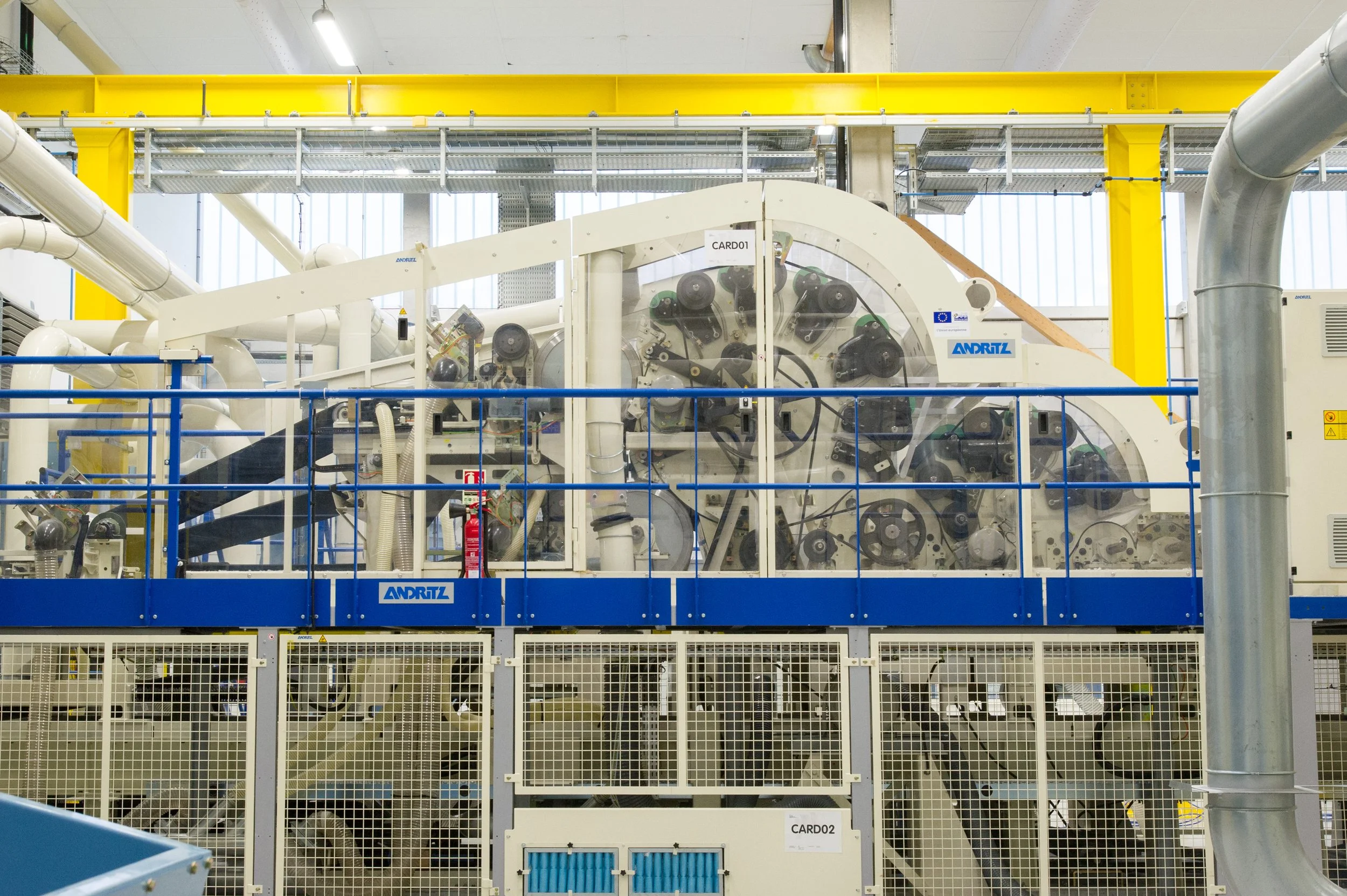
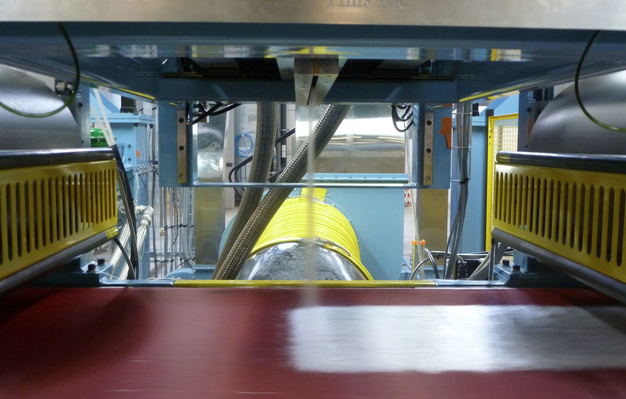
Illustration of textile processing technologies, as well as prototyping and characterisation trials on CETI’s technological platforms.
-
Assessment of learning outcomes through quizzes and technical discussions, complemented by a satisfaction questionnaire at the end of the training course.
-
Contact: contact@ceti.fr
Registration is confirmed after validation of training needs and subject to the number of participants.
-
The training course is open and accessible to people with disabilities.
Disability Officer: HR Manager
Email: rh@ceti.com
Phone: +33 (0)3 62 72 61 00
-
Training course delivered by a QUALIOPI-certified organisation for training activities.
Training courses