
Platforms
TEXTILE EXPERIMENTATION & INDUSTRIALIsATION PLATFORMS
A technical and technological space for collaborative engineering, serving textile innovation.
On-site, but also operating externally, in response to local, national and international needs.
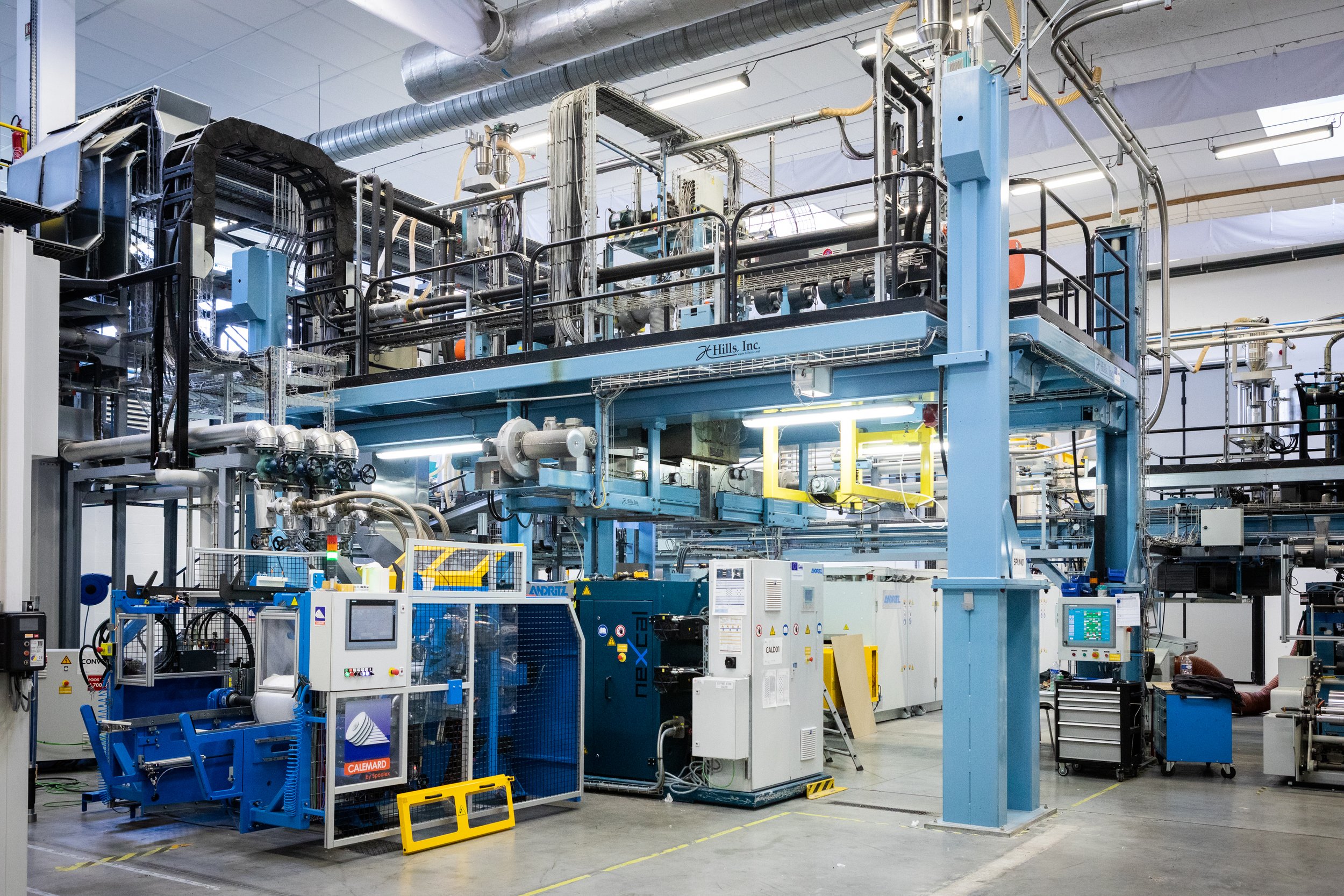
Our technical platforms
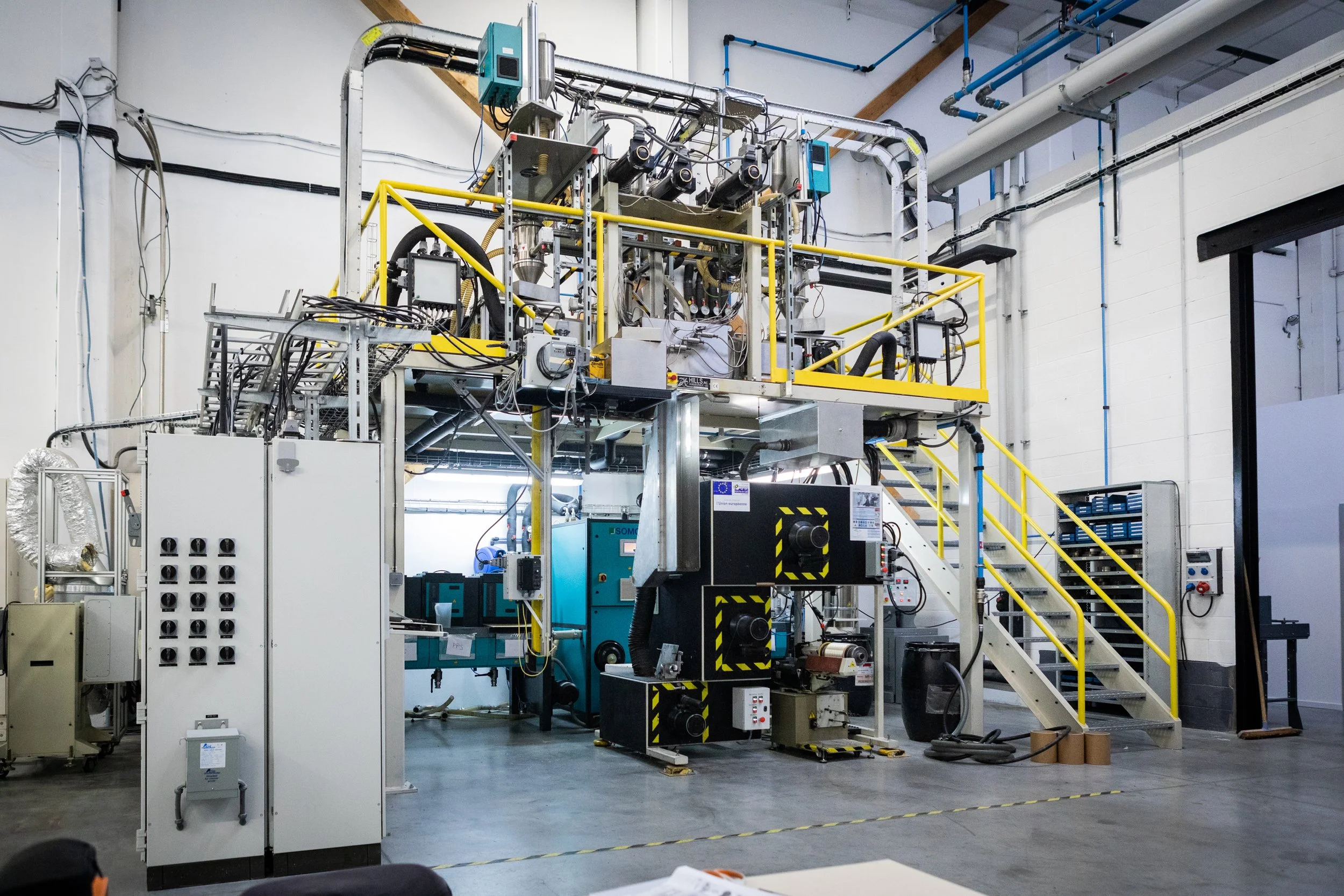
Compounding / Spinning / Fibers
->
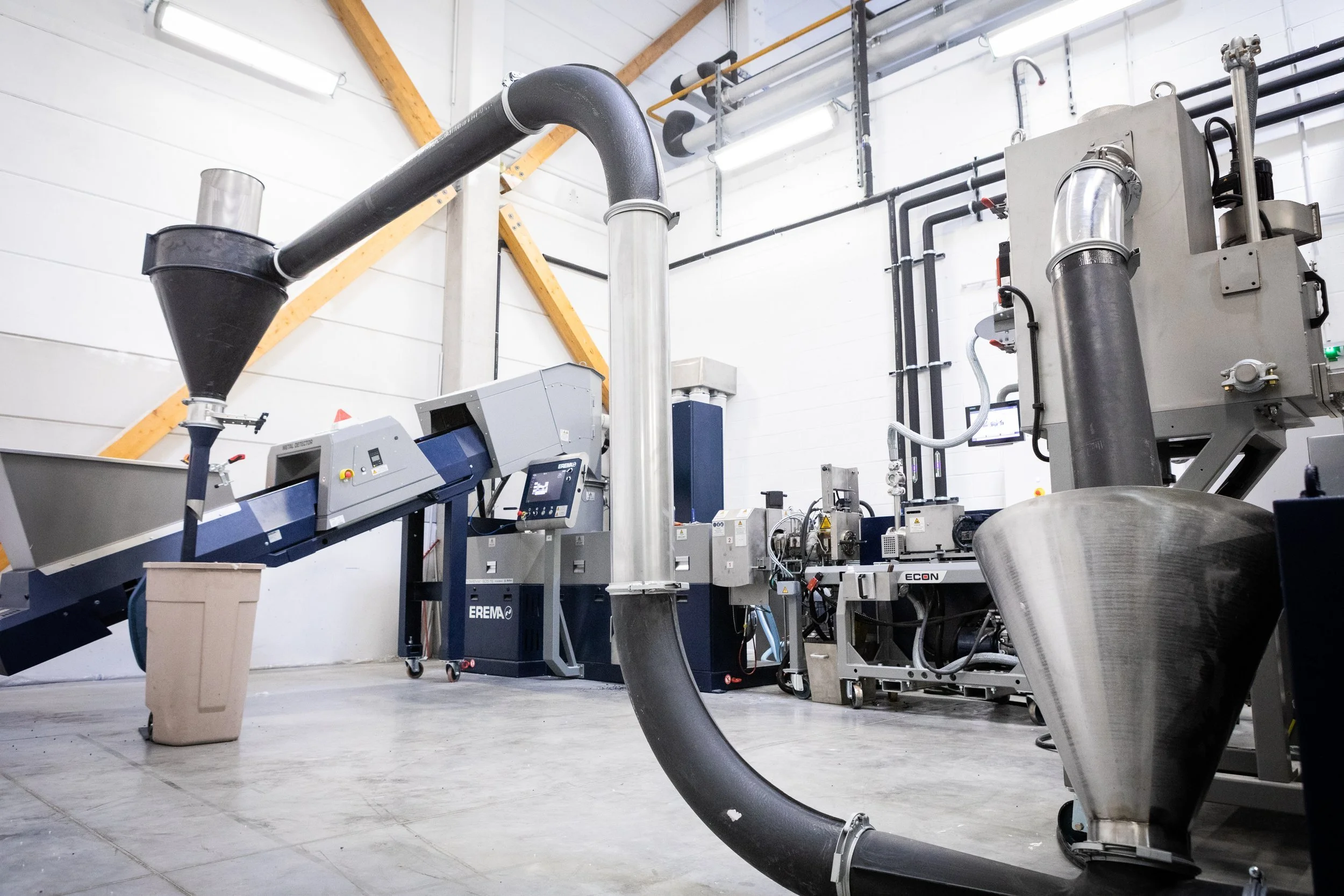
Recycling
->
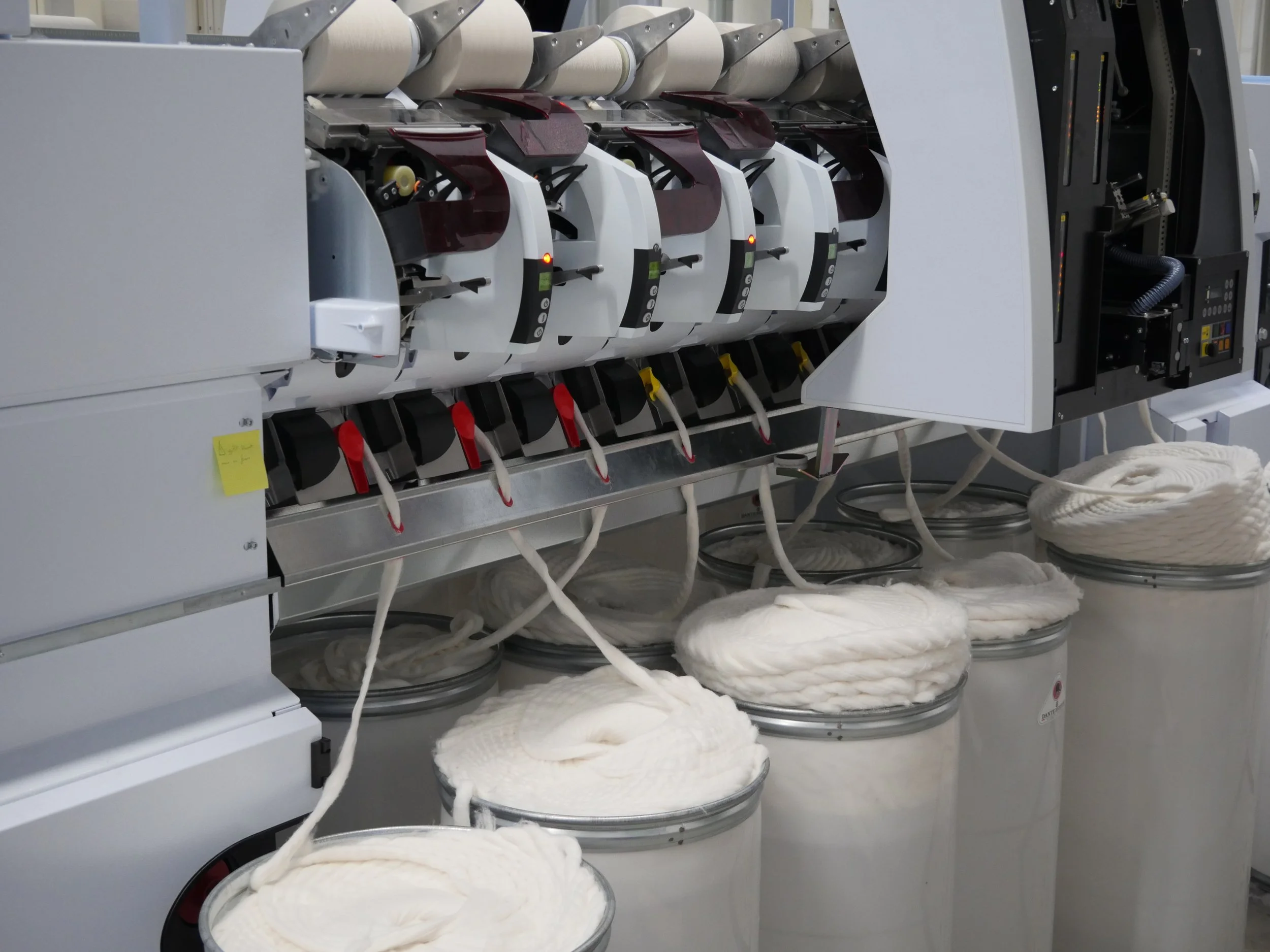
Yarn Spinning / Weaving / Knitting
->
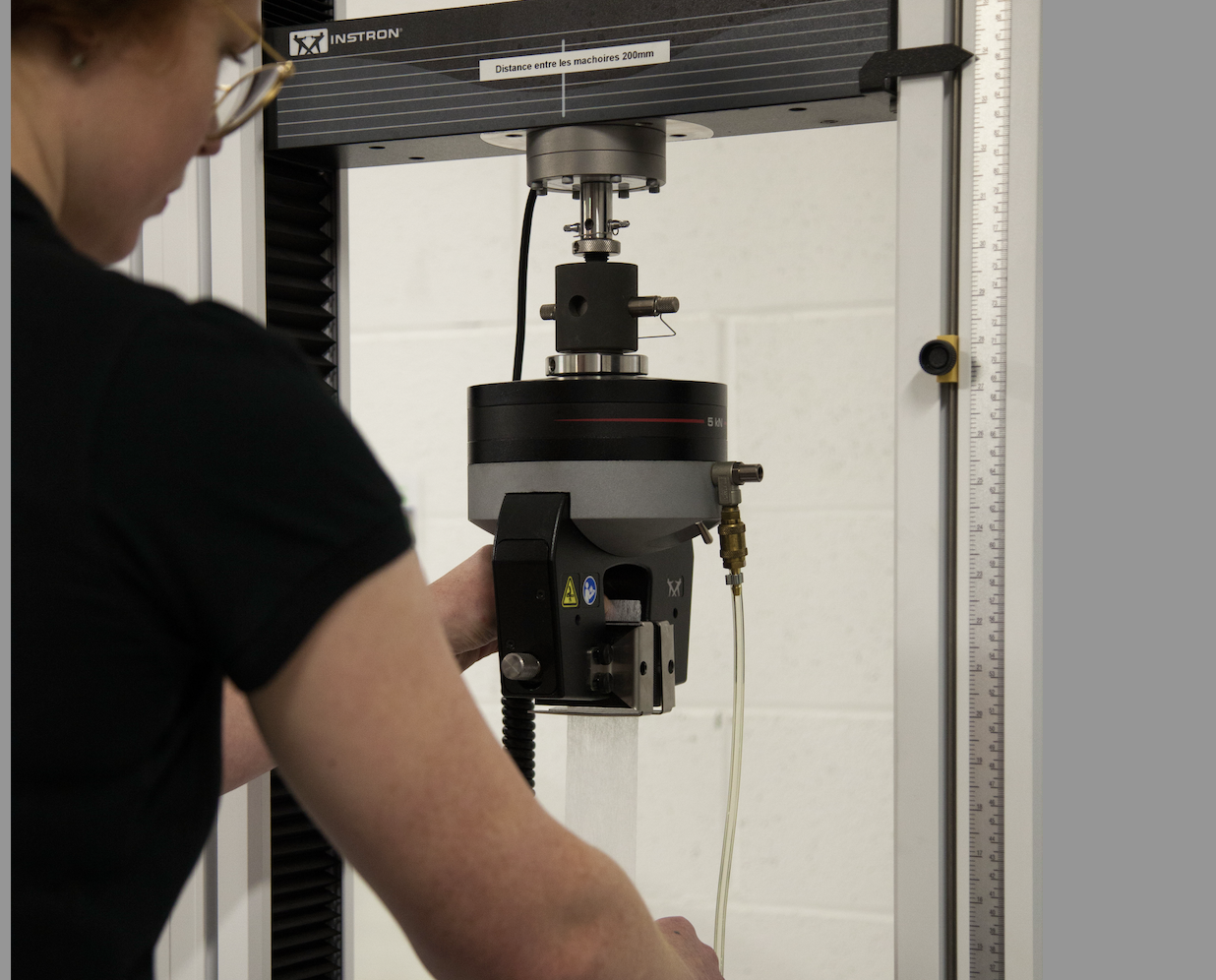
Characterization & Performance Measurement
->
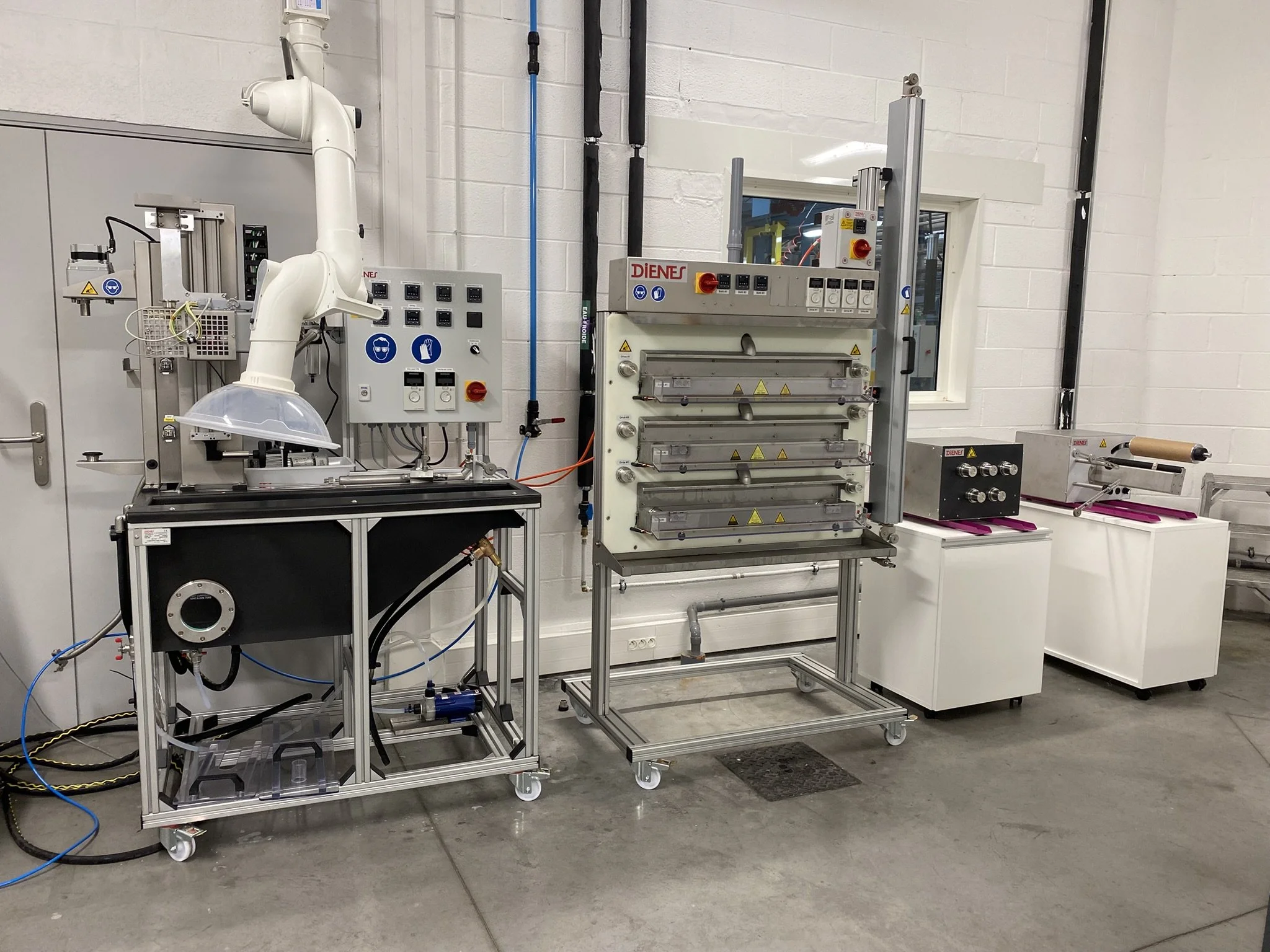
Wet Spinning
->
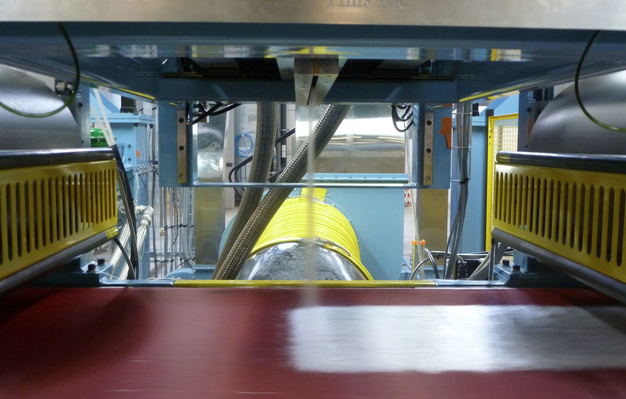
Nonwovens
->
Over 4,000 m² of space
dedicated to innovation
CETI covers every link in the textile value chain, from the creation of raw materials to the design of finished products, bringing together technology platforms, cutting-edge equipment, and pilot lines in a single research center.
Our plug & play ecosystem is designed to accelerate the development, prototyping, and transfer of innovations to industrial tools.
Do you have a project or would you like to learn more about our expertise?
-
CETI is a private industrial research center promoting the transition to a sustainable textile industry. Its mission is to put the expertise of its teams and its industrial pilot platforms at the service of development, prototyping and industrial transfer projects for its customers and partners. It supports all players in the textile industry - fashion, sports, luxury, workwear, technical textiles, nonwovens of all types - in the design, experimentation, prototyping and industrialization of new materials, processes and products.
Its two strategic areas of development are:
The development of circularity through the development of processes and new recycling solutions enabling the optimal incorporation of recycled textile materials.
The development of biosourced textiles, through the textile development of biopolymers, the valorization of natural fibers and the valorization of biomass through the production of artificial fibers.
-
CETI supports its customers from the earliest stages of technological maturity:
State of the art and market studies (TRL 1-2): CETI carries out literature reviews, state-of-the-art studies and market analyses to assess the degree of innovation and relevance of a project.
Design thinking workshop (TRL 1-2) : CETI facilitates collaborative workshops to define an R&D strategy or identify targeted areas for innovation.
Process development (TRL 3-4) and optimization (TRL 5-7): CETI develops and optimizes recycling, fiber production, nonwovens forming and consolidation processes to meet the requirements of projects in all sectors of activity (hygiene, health, clothing, construction, transport, etc.).
Materials and product development (TRL 2-7): CETI selects or validates raw materials, develops fibers/nonwovens/fabrics, draws up and implements test plans, and provides analysis of results and recommendations for all types of textile products and applications.
Prototyping, auditing and industrial transfer (TRL 6-9): CETI makes its teams and platforms available for prototyping, eliminating the risks of industrialization and scaling up. CETI also carries out industrial audits and transfers, providing training on its platforms or at its partners' facilities.
-
The "Prototyping, pre-series or small-series production, and industrial transfer" service includes :
Process optimization (selection or validation of materials, estimation of production costs, integration of specific functionalities, etc.);
Technology selection, machine layout planning and internal audits to formalize specifications;
Industrial layout design and advice on equipment selection;
Assistance with production line launch and team training.
-
CETI is a key player in innovation and industrial transfer in the field of textile recycling.
As an industrial research center, CETI masters all stages: sorting, preparation and transformation of waste into new resources. Pilot industrial equipment at CETIA (its Hendaye subsidiary) and on its Tourcoing premises enable textile recycling trials to be carried out on all types of textile waste or used textiles(used garments, production offcuts or unsold items).
The CETI and CETIA teams work together to optimize mechanical, chemical and thermal processes and offer customers the best solutions for valorizing their deposits.
Alternatively, our teams can design solutions to incorporate the technically (to guarantee product performance) and/or economically (for a target cost price) optimum recycled material content for products with outlets in all industrial sectors (clothing, furnishings, construction, transport, packaging, filtration, hygiene, etc.).
Adopting a circular approach, CETI also helps its customers and partners to rethink product design to integrate recycling from the outset, and to find outlets for open-loop recovery solutions.
-
The "Nonwovens dry process" platform develops nonwovens from all types of virgin and recycled fibers (natural, synthetic and artificial). It can transform these fibers into non-woven sails or mattresses.
Preparation (fiber opening and blending), veil formation (carding, airlay, spreader), consolidation (thermal, mechanical, etc.) and finishing treatments (kiss-roll, scarf, smooth calender) are all mastered and can be combined in a highly flexible way (over 160 possible combinations). These operations contribute to the valorization of fibers for technical applications, and are part of anupcycling logic that develops high-performance products.
-
The solvent extrusion platform enables continuous filaments to be extruded from polymer dissolved in solvent.
In particular, the new platform aims to convert agricultural by-products and other biomass sources, from which natural polymers (cellulose, keratin, casein) have been extracted, into new textile materials.
The solvent spinning process, based on advanced technologies, offers sustainable alternatives to conventional fibers and helps to reduce the environmental impact of the textile industry while offering new sources of supply for fiber production.
-
CETI is developing the use of biopolymers for textile applications and integrating this innovation into a sustainable transition approach. It is involved in several key stages:
Research and formulation: exploration and optimization of mechanical, strength and biodegradability properties.
Shaping: study of biopolymer spinnability, transformation into high-performance fibers.
Industrialization and prototyping: support for companies to produce prototypes (woven or knitted fabrics, nonwovens, etc.) and validate these materials industrially.
Testing and validation: assessing the durability, performance and environmental impact of biopolymers.
This integrated approach makes it possible to validate a biopolymer for textile applications, while optimizing the processes required for its industrialization.
-
CETI is a major player in textile innovation, helping companies to develop high-performance technical textiles. Its expertise covers :
Innovative materials: integrating biosourced, recycled and functionalized fibers.
Design and prototyping: spinning, weaving, knitting, non-woven production and coating to create multifunctional textiles.
Characterization and validation: strength, permeability, durability and comfort tests.
Industrialization and production: technology transfer and production line optimization.
Applications cover intelligent textiles, protective materials and equipment, and products for the mobility (automotive, aeronautics, rail), construction, hygiene, medical and filtration sectors.
CETI also offers support in eco-design and promotes the use of recyclable or biodegradable materials to reduce environmental impact. -
The compounding platform enables polymers to be functionalized into compounds and scaled up using a twin-screw compounding machine.
The spinning platform is equipped with a pilot tri-component spinning line, the only one of its kind in France, enabling single-, double- and tri-component spinning with different cross-sections (round, trilobal, hollow).With all this equipment, the CETI teams are able to evaluate almost any type of polymer, including biopolymers such as PLA, PHA and PBS, and can produce co-extruded or liquid-core mono- and multi-filaments, before transforming them into fibers.
The equipment enables development and validation tests on polymers (petrochemical or bio-sourced) for textile applications, as well as advanced prototyping.
10
-
Voie fondue (Spunbond / Meltblown): The Meltblown Nonwovens platform covers over 90% of the technologies used in industry to transform petrochemical or biobased thermoplastic polymers into nonwoven webs. It includes polymer preparation, web formation (mono- or bi-component), thermal or mechanical consolidation, and finishing treatments (kiss-roll, scarf, calender).
Voie sèche (Airlay/Carde): The Drylaid Nonwovens platform transforms virgin and/or recycled natural, synthetic or man-made fibers into nonwoven webs or mats. Steps include fiber opening and blending, web formation by airlay, carding and topping, consolidation (thermal, mechanical, etc.) and finishing.
The melt and dry processes can be combined, offering over 160 combinations of forming, consolidation and finishing processes. This flexibility makes it possible to carry out trials involving theincorporation of recycled materials, as well as nonwovens prototyping projects using all kinds of materials (virgin or recycled, synthetic, natural or artificial, petrochemical or biosourced).
-
Spinning: the spinning line enables the development and prototyping of innovative recycled or biobased yarns, with equipment for fiber opening and blending, carding, open-end spinning and ring spinning.
Weaving/knitting: CETI has a warping machine and a loom, as well as a circular knitting machine for producing small tubular jerseys. This equipment is particularly useful for rapid verification of the processability of prototyped yarns.
Characterization & performance measurement: the analysis laboratory enables the dimensional characteristics and mechanical performance of prototypes to be assessed throughout the test or prototyping campaigns, ensuring iterative optimization of materials or processes and their final validation.
-
CETI is committed toinnovation in eco-design, experimentation and industrialization of the textile materials of the future.
It contributes to the circular transition by working with all stakeholders (materials producers, machine manufacturers, processors, marketers, academic and institutional partners, standardization and certification bodies, public players...) to develop new products and invent new business models.
Its expertise in eco-design is based on life-cycle analysis, knowledge of current and pending regulations, selection of eco-responsible raw materials, process optimization and knowledge of the international industrial fabric.
CETI is now internationally recognized for its expertise in textile recycling and the development of bio-based textiles.